

Losing sight of your dog, even for a few minutes, can feel overwhelming. The panic arrives fast, and it’s physical. Many owners instinctively run after their dog or start searching everywhere at once. In reality, those first decisions can make the difference between a quick reunion and a much longer search.
If your dog goes missing, staying calm and following a structured plan gives you the best chance of bringing them home safely. If your dog wears a GPS collar tag, check the app before you do anything else — a live location turns a frantic search into a straightforward collection, and guides such as Tracqueur are a useful starting point for understanding how the different tracking technologies actually behave outdoors. This guide explains exactly what to do, why each step matters, and how to adapt your approach depending on how your dog disappeared.
- Know what to do in the first few minutes, hours and days.
- Understand how different dogs behave when they’re lost.
- Learn who to contact across the UK.
- Search more effectively without frightening your dog further.
- Avoid common mistakes that reduce the chances of recovery.
- Know what to do once your dog is safely home.
If Your Dog Goes Missing, Do These Things Immediately
The first priority isn’t to cover the largest possible area. It’s to avoid making the situation worse.
Stay calm and don’t chase
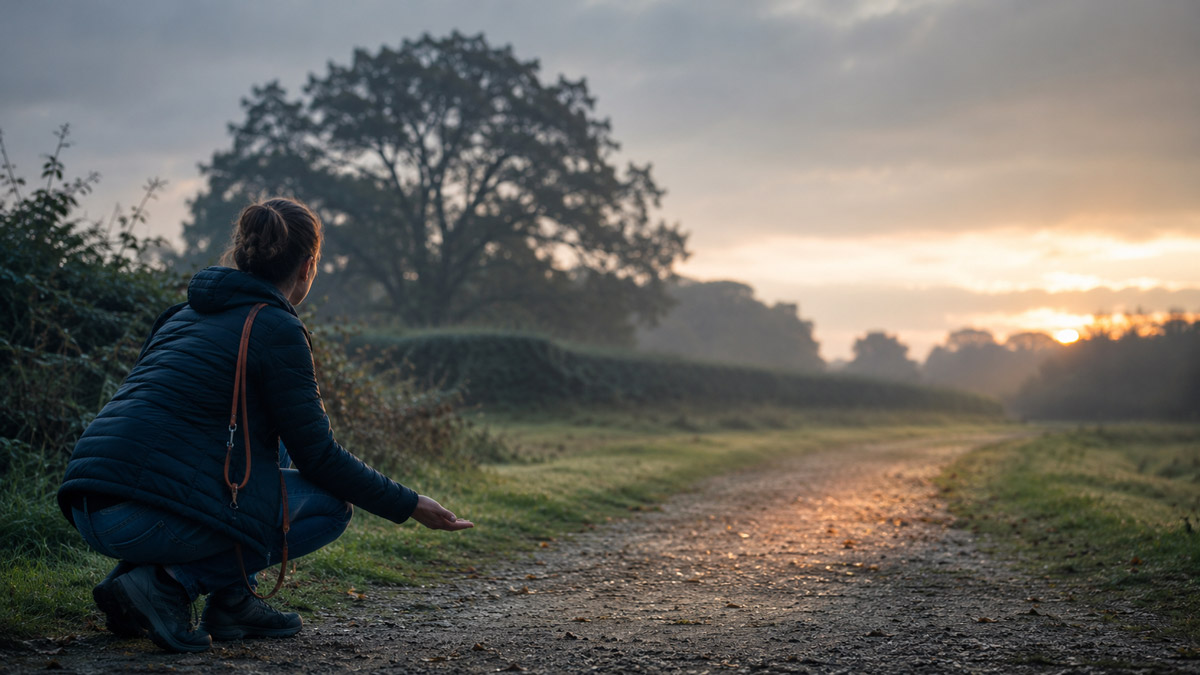
If your dog has bolted because they’re frightened, chasing them usually encourages them to keep running. Instead, stop moving towards them, crouch down if they’re nearby and speak in a calm, familiar voice. Turning side-on and walking slowly away can work better than calling — a dog in flight mode is far more likely to follow something that isn’t advancing on them.
Stay where your dog disappeared
Many dogs return to the last place they saw their owner once they’ve calmed down. Remaining there gives your dog a familiar point to return to instead of finding an empty location.
Leave familiar scents behind
Dogs rely heavily on their sense of smell. If you need to leave, place an unwashed jumper, blanket or your dog’s bed near the last known location, along with a bowl of water. Familiar scents can help guide them back, and a dog that has found the spot will often settle nearby rather than move on.
Keep the search small at first
Ask one or two trusted people to help rather than gathering a large group immediately. Too many people, vehicles or loud voices may scare a nervous dog even further away. Before you set off, check your phone is charged and your voicemail is set up — your number is about to be shared widely, and a missed call is a missed sighting.
Emergency Timeline: What to Do Next
| Time | Priority Actions |
|---|---|
| First 15 minutes | Stay put, call calmly, check nearby hiding places, leave scent items. |
| First hour | Search nearby routes, ask local people, contact family to help, keep your phone charged and free. |
| Within two hours | Notify your council dog warden, local vets, rescue centres and your microchip provider. |
| First 24 hours | Post on local community groups, create posters, follow up on sightings. |
| After 24 hours | Expand the search area, contact neighbouring authorities and continue checking reports. |

Working through the search in stages helps you prioritise the actions most likely to produce results instead of trying to do everything at once.
Your Search Strategy Depends on How Your Dog Went Missing
Your dog bolted after being frightened
Dogs frightened by fireworks, thunderstorms, traffic or another dog often run without thinking. Once the initial panic fades, they usually seek somewhere quiet and hidden rather than continuing to travel.
Search calmly around hedges, gardens, woodland edges, sheds and quiet corners where a frightened dog may shelter. Look low and look twice — a scared dog pressed under a hedge or beneath a parked car is remarkably easy to walk straight past.
Your dog chased wildlife
Dogs with a strong prey drive may follow scents or animals for a considerable distance before becoming disorientated.
Check nearby footpaths, fields, woodland trails and water sources. These dogs often continue moving rather than hiding immediately, so widen your search sooner than you would for a frightened dog.
Your dog escaped from home
If your dog escaped from your garden or home, make sure someone stays at the property with the gate or door open. Many dogs naturally attempt to return once they’ve finished exploring, and it’s a genuine shame when they arrive back to a locked, empty house.
You think your dog has been stolen
If there are clear signs that your dog may have been taken, report it to the police straight away and ask for a crime reference number, then notify your microchip database and local authorities. Since the Pet Abduction Act came into force, dog abduction is a specific criminal offence in England and Northern Ireland rather than simply the theft of property — worth stating plainly when you report it. In Scotland and Wales the incident is still recorded under theft law, but it should be treated with the same urgency. Gather what you can early: times, doorbell or dashcam footage, witness names. It all helps if ownership needs to be verified later.
How Lost Dogs Behave
Understanding behaviour helps you make better decisions during your search.
Fearful dogs
These dogs often avoid people, including their owners. Running towards them can cause them to flee again, even if they recognise you. Sitting quietly on the ground with food and simply waiting is unglamorous, but it works far more often than pursuit.
Confident dogs
Confident, social dogs are more likely to approach people, increasing the chances that someone will take them to a nearby veterinary practice or rescue centre. That’s why contacting vets early matters so much — your dog may already be somewhere safe before you’ve finished searching.
Puppies and elderly dogs
Puppies usually stay closer to where they became lost, while older dogs often become tired more quickly and seek somewhere safe to rest.
Where Should You Search?
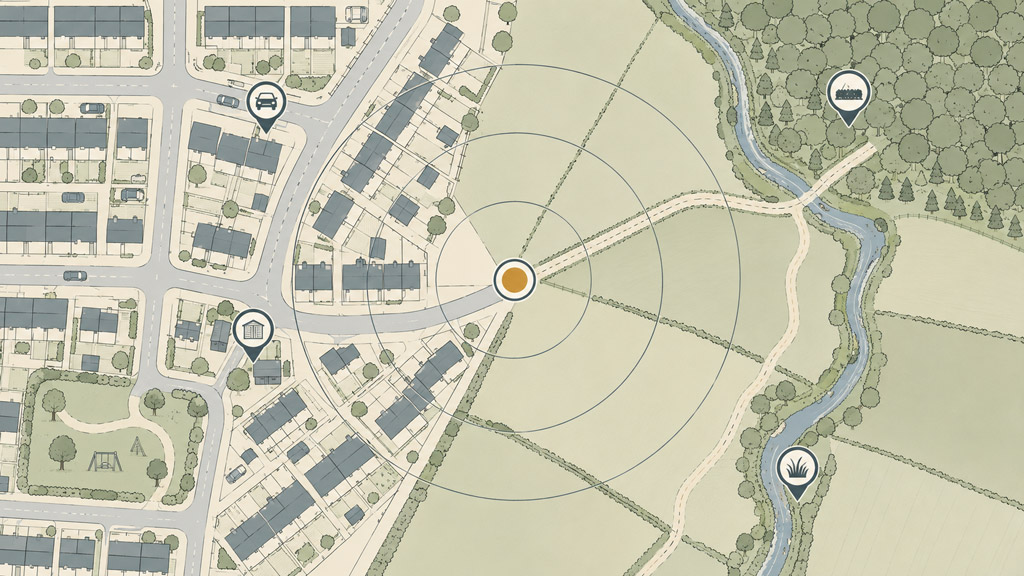
Urban areas
- Residential streets
- Gardens
- Car parks
- Local parks
- Industrial estates during quiet hours
Rural areas
- Public footpaths
- Farm entrances
- Woodland tracks
- Streams and ponds
- Field shelters
Early morning and late evening are often the best times to search because there is less traffic, fewer distractions and your dog is more likely to hear familiar voices.
Who Should You Contact in the UK?
- Your local council dog warden.
- Your dog’s microchip provider.
- Nearby veterinary practices.
- Local rescue centres.
- DogLost.
- Animal Search UK.
- Neighbourhood social media groups.
Reporting to your microchip database does two jobs. It flags the record so nobody can quietly re-register your dog to a new keeper, and it puts your current details in front of every vet or warden who scans them. It’s also a prompt to check those details are up to date — an old mobile number is one of the most common reasons a scanned dog isn’t reunited quickly. If you can’t recall which database your dog is registered with, your vet can usually trace it from the chip number.
Don’t assume someone else has already reported your dog. The sooner these organisations know your dog is missing, the greater the chance of a quick reunion.
Using Social Media Effectively
Social media can spread information rapidly, but only if your post is clear and easy to share.
- Use a recent, clear photograph.
- State exactly where and when your dog disappeared.
- Include your contact number.
- Mention distinctive markings.
- Ask people not to chase the dog.
- Update posts whenever there is a confirmed sighting.
If multiple people report sightings, record the time, location and direction of travel before deciding where to search next. Two or three sightings plotted on a map will tell you more than a hundred shares.
Creating an Effective Missing Dog Poster
A well-designed poster still plays an important role, especially in areas with regular dog walkers.
Your poster should include:
- A large colour photograph.
- Your dog’s name and breed.
- Last known location.
- Date and time last seen.
- Your contact number.
- A short message asking people not to chase the dog.
Place posters near parks, shops, veterinary practices, community noticeboards and popular walking routes — anywhere the same people pass at the same time each day.
Common Mistakes to Avoid
- Running after your dog.
- Shouting constantly.
- Waiting several hours before reporting them missing.
- Removing scent items too quickly.
- Ignoring neighbouring areas.
- Assuming your microchip details are still current.
- Using old or poor-quality photographs.
- Sending large groups into wooded areas immediately.
Often, a calm, organised search produces better results than covering a wider area in panic.
What to Do If Someone Reports a Sighting
Every sighting is valuable, but not all reports are equally reliable.
Ask for the exact location, time, direction your dog was travelling and whether they appeared frightened, injured or relaxed. If possible, ask the person to stay nearby without approaching your dog until you arrive.
If your dog is located, avoid rushing towards them. Speak softly, crouch down and allow them to approach when they feel safe. It is the hardest advice in this guide to follow, and the most important.
When Your Dog Comes Home
Even if your dog appears healthy, arrange a veterinary check. They may have hidden injuries, dehydration or exhaustion that isn’t immediately obvious.
Once your dog is safely home:
- Provide fresh water.
- Check for cuts, ticks and sore paws.
- Update your microchip status.
- Remove missing posters.
- Update social media posts.
- Review how your dog escaped to prevent it happening again.
Reducing the Risk of It Happening Again
No precaution is perfect, but good preparation makes future incidents less likely.
- Practise reliable recall regularly.
- Keep garden fencing secure.
- Ensure your dog’s collar and ID tag are current.
- Keep microchip details updated after moving house or changing your number.
- Consider a GPS tracker if your dog enjoys off-lead walks. Bluetooth tags work differently, relying on nearby phones rather than live location, which matters a great deal in quiet rural areas — this comparison of AirTag, Tile and Samsung SmartTag sets out the trade-offs.
- Take extra care during fireworks, storms and visits to unfamiliar places.
- Keep a recent, clear photograph on your phone.
Frequently Asked Questions
How far can a lost dog travel?
It depends on the dog’s temperament, fitness and why they ran away. Some stay close to home, while others may travel several miles before stopping.
Should I search at night?
Yes. Quiet periods early in the morning and late in the evening often improve your chances of hearing or spotting a nervous dog.
Can a microchip track my dog’s location?
No. A microchip stores identification details but does not provide live tracking. It helps reunite you with your dog once they have been found and scanned. Live location is the job of a GPS tracker or Bluetooth tag, which are entirely separate devices.
Should I leave food where my dog disappeared?
Water and familiar scent items are usually more helpful. Large amounts of food may attract wildlife or other animals instead.
Should I offer a reward?
A reward can encourage people to report sightings, but avoid offering such a large amount that it attracts false claims. Be cautious of anyone who demands payment before returning your dog, or who won’t meet in person or send a clear photograph. Never send money to someone you haven’t seen your dog with.
Conclusion
When your dog goes missing, every minute feels important, but your response matters more than your speed. Staying calm, following a structured plan and understanding how dogs behave when they’re frightened can significantly improve the chances of a safe reunion.
If there’s one thing worth taking from this guide, it’s that the owners who get their dogs back quickest are rarely the ones who searched hardest in the first hour. They’re the ones who made the right handful of phone calls, left a scent item where their dog last saw them, and resisted the urge to chase. Do the unexciting, methodical things first. And do the preparation now — the current microchip details, the recent photo, the secure gate. It costs almost nothing today and could be everything on the worst afternoon of your year.