
Tracqueur: Meaning, Types, Uses & How Tracking Technology Works
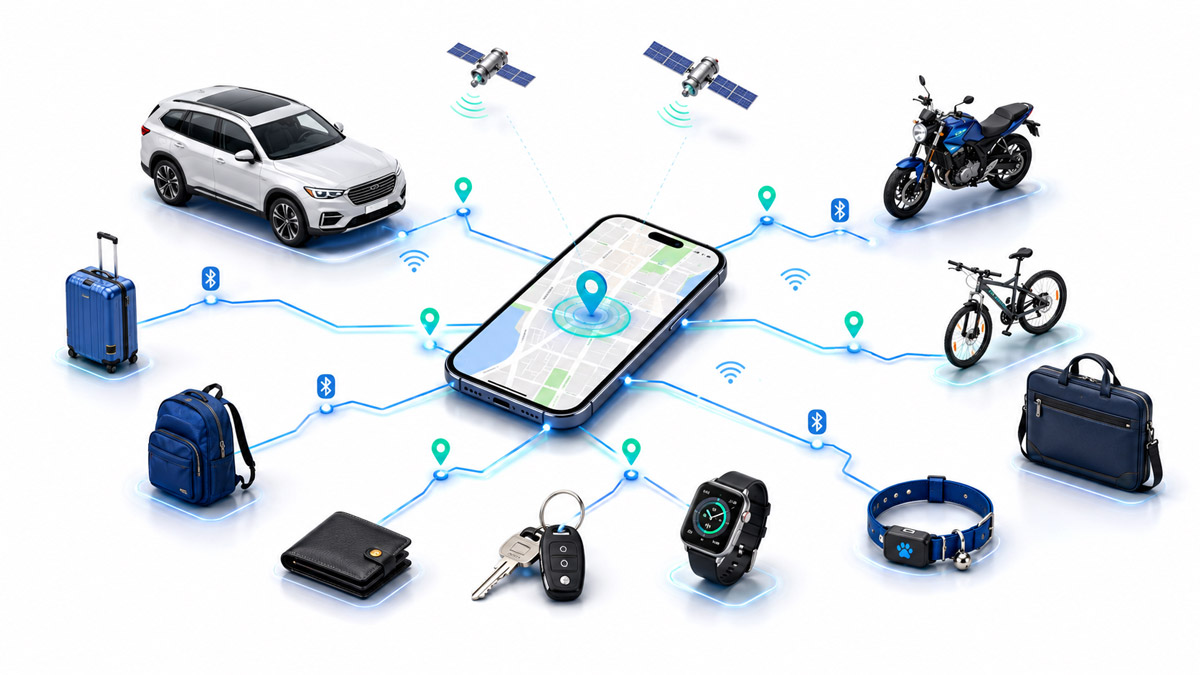
Tracqueur is a term commonly used to describe a tracker or tracking solution that helps monitor the location, movement, or activity of people, vehicles, pets, belongings, or digital assets. Depending on the context, a tracqueur may refer to a GPS tracker, Bluetooth tracker, vehicle tracking system, fitness tracker, asset tracker, or software used to collect location and performance data.
What Is a Tracqueur?
A tracqueur is any device or system designed to track, monitor, or record the location, movement, condition, or activity of an object, vehicle, person, or animal. The term is often associated with the English word tracker and is used across various industries where accurate monitoring is important.
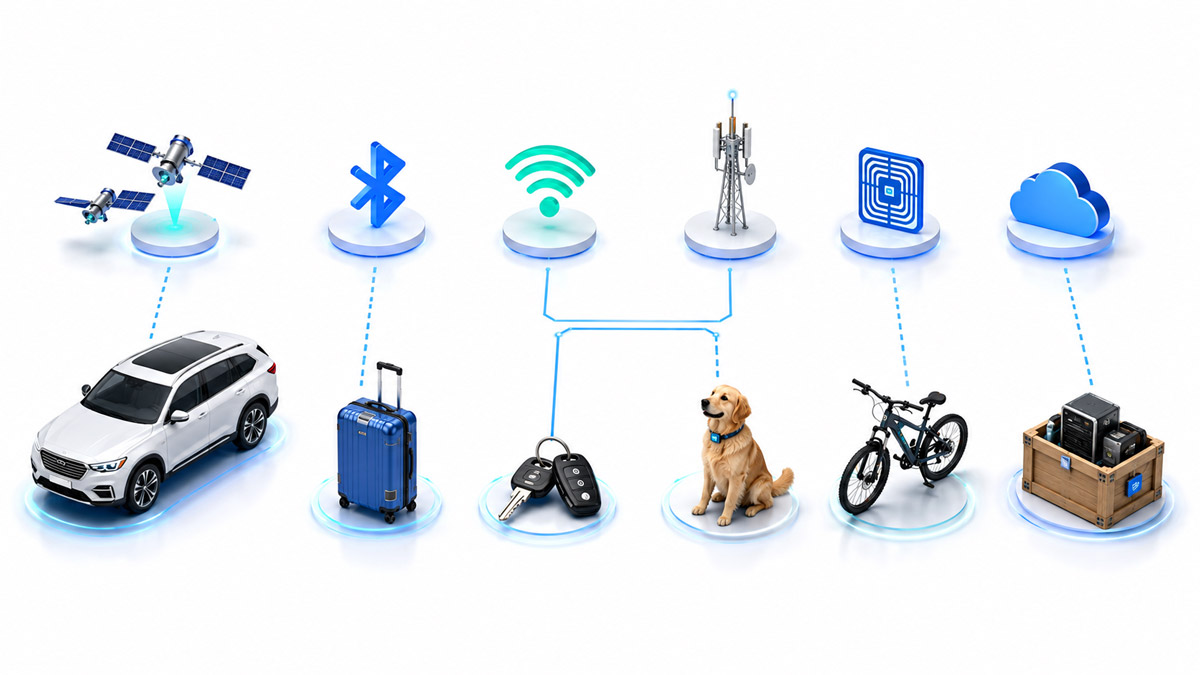
A tracqueur may operate using one or more technologies, including:
- GPS (Global Positioning System)
- Bluetooth
- Wi-Fi positioning
- Cellular (4G/5G) networks
- RFID or NFC technologies
- Satellite communication
- Ultra-wideband (UWB) for precise short-range positioning
The technology used determines the tracking range, accuracy, update frequency, battery life, and overall capabilities of the device.
How Does a Tracqueur Work?
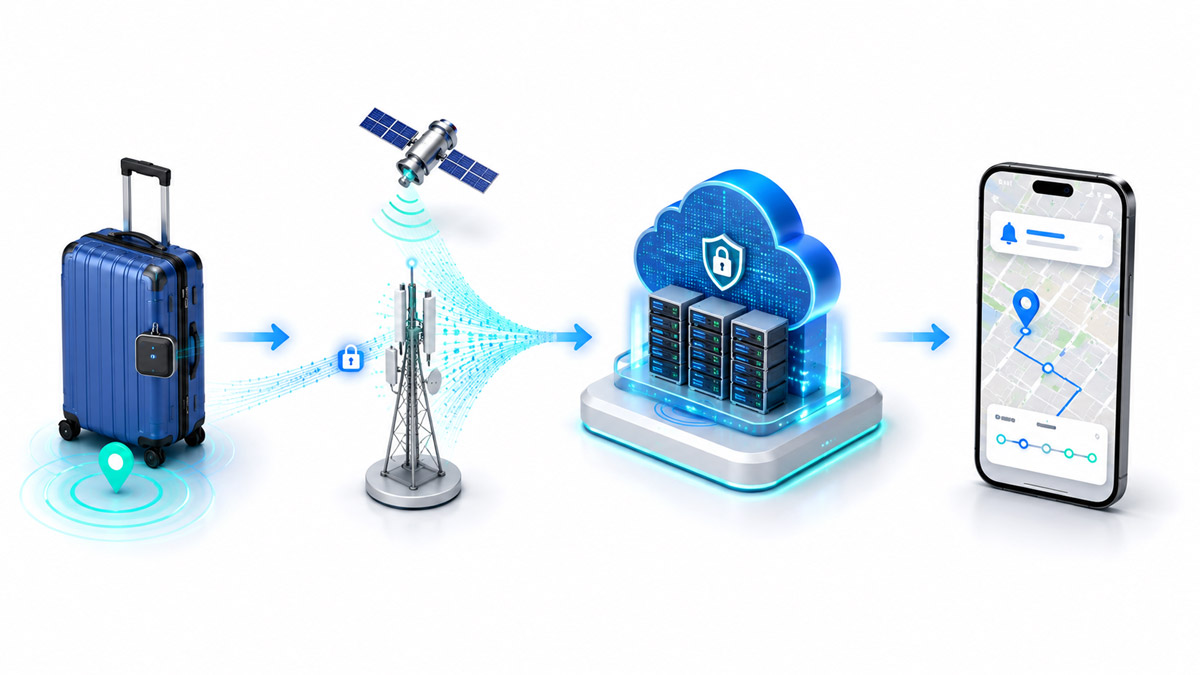
Although tracking systems vary, most follow the same basic process.
- Determine the current location or movement.
- Process the collected information.
- Transmit the data through Bluetooth, Wi-Fi, cellular, or satellite networks.
- Display the information within a mobile application or web dashboard.
Many modern tracqueur systems also provide notifications, movement alerts, historical routes, battery status, and customisable security settings.
Types of Tracqueur Systems
GPS Trackers
GPS tracqueur devices use satellite signals to determine precise outdoor locations. They are widely used for vehicles, motorcycles, boats, bicycles, heavy equipment, pets, and valuable assets.
Bluetooth Trackers
Bluetooth trackers are designed for nearby objects such as keys, wallets, bags, luggage, and everyday personal items. On their own, Bluetooth signals only reach a short distance, but many trackers, including Apple’s AirTag and Samsung’s SmartTag, also connect to a crowdsourced finder network (Apple’s Find My network on iPhone, or an equivalent network on Android), where nearby smartphones anonymously relay the tracker’s last known location. This extends real-world range well beyond a direct Bluetooth connection, and some models add Ultra-wideband (UWB) support for more precise, directional finding at close range. Bluetooth trackers remain compact, affordable, and easy to use.
Cellular Trackers
Cellular tracking devices combine GPS with mobile networks to transmit real-time location updates over long distances. They are commonly used for fleet management, vehicle recovery, and commercial asset monitoring.
Wi-Fi Trackers
Wi-Fi positioning can improve indoor location accuracy where GPS signals may be weaker, such as offices, shopping centres, warehouses, hospitals, and airports.
Activity and Wearable Trackers
Wearable tracqueur devices, such as smartwatches and fitness bands, monitor physical activity, movement, heart rate, exercise, sleep patterns, and other health-related metrics.
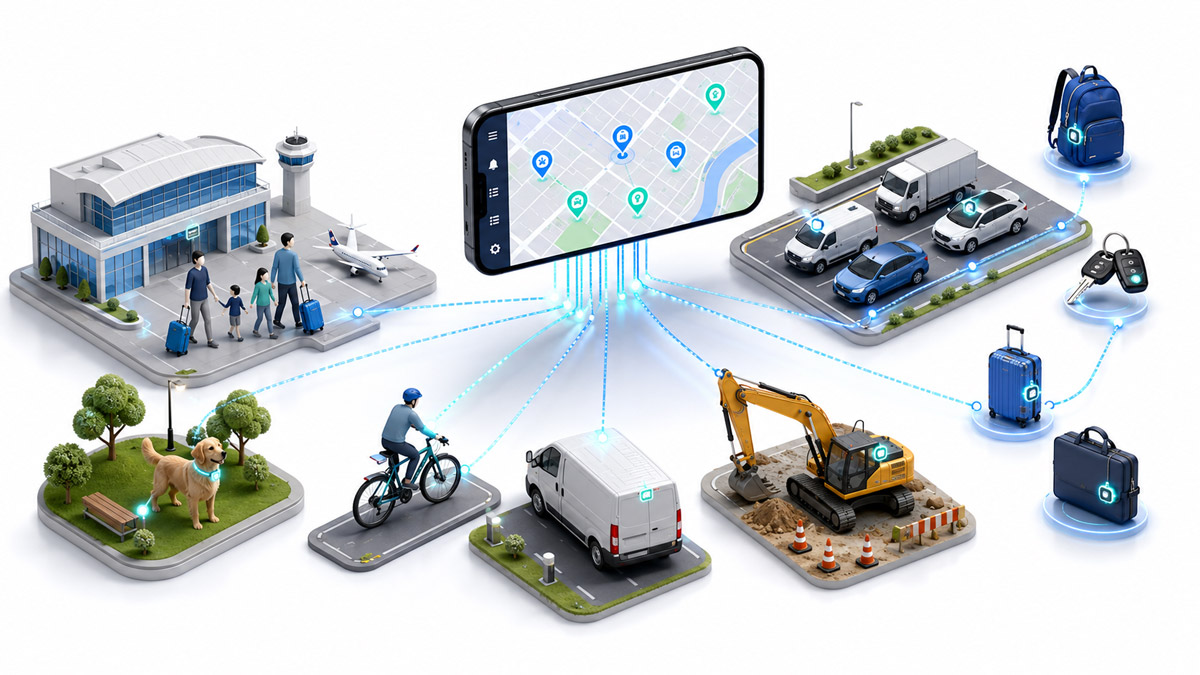
Common Uses of a Tracqueur
- Finding lost keys, wallets, or bags
- Vehicle location monitoring
- Fleet management
- Pet tracking
- Luggage tracking during travel
- Construction equipment monitoring
- Business asset management
- Personal safety and emergency location sharing
- Sports and fitness tracking
- Delivery and logistics operations
Key Features to Look For
The right tracqueur depends on your intended use. Common features include:
- Real-time location updates
- Location history
- Geofencing alerts
- Movement detection
- Separation notifications
- Sound alerts for nearby searches
- Ultra-wideband (UWB) precision finding
- SOS or emergency button
- Battery level monitoring
- Water resistance
- Shared access for family or team members
- Mobile app integration
- Encrypted data transmission
GPS vs Bluetooth Tracqueur
| Feature | GPS Tracker | Bluetooth Tracker |
|---|---|---|
| Coverage | Nationwide or worldwide | Short-range |
| Best For | Vehicles, pets, equipment | Keys, wallets, bags |
| Real-Time Tracking | Yes | Limited |
| Subscription | Sometimes required | Usually not |
| Battery Life | Varies by device | Often several months |
| Indoor Finding | Limited | Excellent nearby |
Benefits of Using a Tracqueur
- Helps recover misplaced belongings more quickly.
- Improves visibility of valuable assets.
- Supports vehicle and fleet management.
- Provides additional security for equipment and luggage.
- Allows monitoring of pets and outdoor activities.
- Can improve operational efficiency for businesses.
- Offers location history and movement records.
- Reduces time spent searching for important items.
Limitations to Consider
No tracking technology is perfect. Performance depends on the environment, connection method, and device quality.
- GPS signals may weaken indoors or underground.
- Bluetooth trackers work only within limited range.
- Some GPS devices require an ongoing subscription.
- Battery life varies significantly between products.
- Network coverage affects update frequency.
- Accuracy may change depending on surroundings.
Privacy and Responsible Use
Tracking technology should always be used responsibly and in accordance with local laws. Before using any tracqueur, it helps to understand how location information is collected, stored, and shared, and to review the manufacturer’s privacy policy. When tracking another person, appropriate consent is generally required, and covertly monitoring someone without their knowledge can carry serious legal consequences. In the UK, for example, using a tracker to monitor another person without their consent may amount to harassment or stalking under the Protection from Harassment Act 1997, regardless of intent.
To help address these concerns, Apple and Google now support cross-platform alerts that notify a smartphone user if an unfamiliar Bluetooth tracker appears to be moving with them over time, making it easier to detect unwanted tracking regardless of which brand of device is involved.
Choosing devices from reputable manufacturers and reviewing their privacy practices can help protect personal information and location data.
How to Choose the Right Tracqueur
Selecting the best tracking solution depends on what you want to monitor.
| Need | Recommended Solution |
|---|---|
| Keys and wallet | Bluetooth tracker |
| Luggage | Bluetooth or GPS tracker |
| Vehicle | GPS tracker |
| Business fleet | Cellular GPS tracking system |
| Pets | GPS pet tracker |
| Equipment and tools | GPS asset tracker |
| Personal fitness | Wearable activity tracker |
Frequently Asked Questions
What does tracqueur mean?
Tracqueur generally refers to a tracker or tracking system used to monitor the location, movement, or activity of an object, person, vehicle, animal, or digital asset.
Is tracqueur the same as a GPS tracker?
No. GPS tracking is one type of tracqueur. The broader term also includes Bluetooth, Wi-Fi, cellular, RFID, and wearable tracking technologies.
Can a tracqueur work without GPS?
Yes. Many trackers rely on Bluetooth, Wi-Fi, RFID, or cellular networks instead of satellite positioning.
What is the difference between Bluetooth and GPS tracking?
Bluetooth trackers are designed for short-range locating, while GPS trackers provide location information across much larger distances.
Do all tracking devices require a monthly subscription?
No. Bluetooth trackers usually do not require subscriptions, while many GPS and cellular tracking systems charge recurring service fees for mobile connectivity.
How can I tell if an unknown tracker is following me?
Most recent smartphones can detect unknown Bluetooth trackers automatically. iOS and Android both support an industry-standard alert that notifies you if an unfamiliar tracker appears to be moving with you over time, regardless of its brand. If you receive this type of alert, your phone will usually provide instructions for locating and disabling the device.
Can tracqueur devices be used by businesses?
Yes. Businesses commonly use tracking systems for fleet management, asset monitoring, logistics, equipment management, and operational efficiency.
Conclusion
A tracqueur is a broad term covering the technologies and systems used to track location, movement, and activity across personal, commercial, and industrial applications. From simple Bluetooth item finders to advanced GPS fleet management platforms, modern tracking solutions help improve visibility, security, efficiency, and convenience.
Understanding the different types of tracqueur devices, their capabilities, and their limitations makes it easier to choose the most appropriate solution for your specific requirements while using tracking technology responsibly and effectively.